Top Mistakes to Avoid After Spilling Liquid on Your Laptop in 2026
Accidentally spilling liquid on your laptop is one of the most common causes of hardware failure. Whether it’s a cup of coffee during a morning meeting, a glass of water while studying, or tea during a work-from-home session, liquid damage can happen in seconds. In 2026, laptops have become thinner, faster, and more powerful than ever, but they are still highly vulnerable to moisture and liquid exposure.
The first few minutes after a spill are critical. While many people panic and try quick fixes found online, making the wrong decision can turn a minor accident into a costly repair or even permanent data loss.
This guide explains the most common mistakes people make after spilling liquid on a laptop and what you should do instead. If you’re located in London, particularly in Whitechapel, Isleworth, or Notting Hill, understanding these tips can help protect your investment and reduce repair costs.
Why Liquid Damage Is So Dangerous
Modern laptops contain thousands of delicate electronic components packed into a compact design. Even a small amount of liquid can:
- Cause electrical short circuits
- Corrode internal circuits
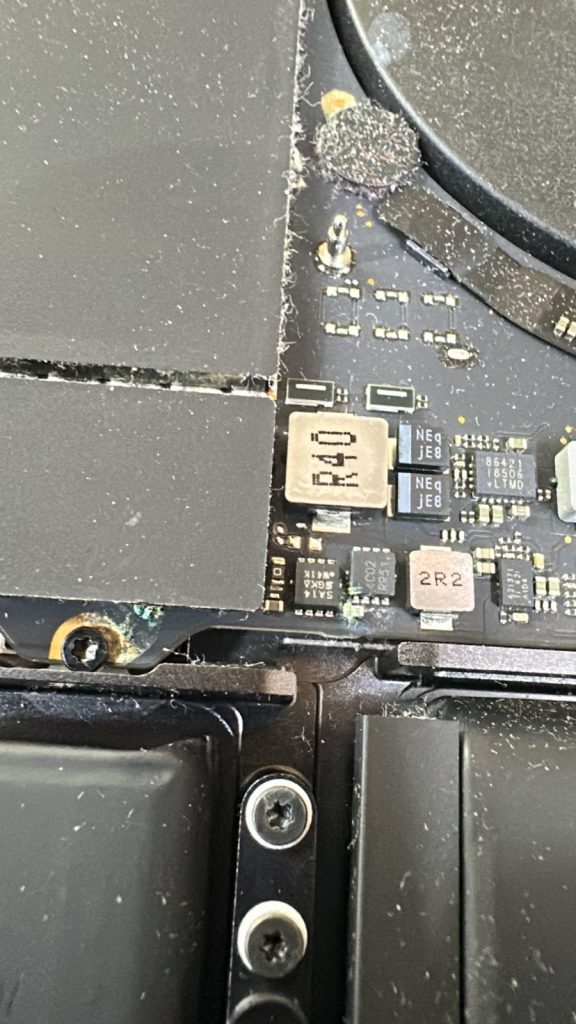
- Damage the motherboard
- Destroy the keyboard
- Affect the SSD or storage controller
- Damage the battery
- Lead to permanent hardware failure
Different liquids create different levels of damage. Pure water is generally less harmful than coffee, soda, juice, or sugary drinks, which leave sticky residues that continue corroding components long after the spill.
Mistake #1: Continuing to Use the Laptop
This is by far the biggest mistake.
Many users notice their laptop still works after the spill and assume everything is fine. Unfortunately, hidden moisture inside the machine may already be causing electrical shorts.
Continuing to type, browse the internet, or save files can worsen the damage significantly.
What You Should Do
Immediately:
- Shut down the laptop.
- Disconnect the charger.
- Remove all connected devices.
- Hold the power button for several seconds until it turns off completely.
Mistake #2: Leaving the Charger Connected
Electricity and liquid never mix.
Leaving your charger plugged in increases the chance of short circuits, which may permanently damage the motherboard.
Correct Action
Disconnect:
- Power adapter
- USB devices
- External drives
- HDMI cables
- SD cards
- Docking stations
Removing every power source minimizes further electrical damage.
Mistake #3: Not Turning the Laptop Upside Down
Gravity can either help you—or make things worse.
If the liquid continues flowing deeper into the laptop, more components become affected.
Correct Action
Turn the laptop upside down in an inverted “V” shape (like a tent) on a clean towel.
This allows excess liquid to drain naturally.
Mistake #4: Using a Hair Dryer
Many people believe hot air speeds up drying.
Unfortunately, this often causes:
- Overheating
- Warped plastic parts
- Melted keyboard components
- Pushing moisture deeper inside
Better Alternative
Allow natural airflow or use a fan with cool air. Professional internal cleaning remains the safest option.
Mistake #5: Putting the Laptop in Rice
The “rice trick” remains one of the biggest technology myths.
Rice does not:
- Remove moisture trapped under chips
- Clean sticky residue
- Prevent corrosion
- Repair damaged electronics
Instead, rice dust can enter ports and create additional issues.
Mistake #6: Waiting Too Long Before Seeking Help
Corrosion starts surprisingly fast.
Even if your laptop seems to work normally, moisture left inside continues attacking electronic circuits.
The longer you wait, the greater the chance of:
- Motherboard corrosion
- Keyboard failure
- Charging issues
- Random shutdowns
- Data loss
Professional inspection as soon as possible greatly increases repair success.
Mistake #7: Attempting DIY Repairs Without Experience
Online tutorials make laptop repairs appear simple.
Modern laptops, however, contain:
- Tiny ribbon cables
- Sensitive connectors
- Integrated batteries
- Compact cooling systems
One accidental mistake can increase repair costs dramatically.
Unless you have professional repair experience, avoid opening the laptop yourself.
Mistake #8: Ignoring Small Warning Signs
Some users assume everything is fine because the laptop turns on.
However, symptoms can appear days or even weeks later.
Watch for:
- Flickering display
- Sticky keys
- Charging problems
- Touchpad issues
- Random restarts
- Slow performance
- Fan running constantly
These often indicate hidden liquid damage.
Mistake #9: Forgetting About Your Data
Your files are often more valuable than the laptop itself.
Important documents, family photos, business files, and client information should be protected immediately.
If possible:
- Stop using the device.
- Avoid repeated boot attempts.
- Seek professional data recovery if necessary.
Early action significantly improves recovery chances.
Mistake #10: Assuming Only Water Can Cause Damage
Every liquid behaves differently.
Examples include:
Coffee
Contains acids and sugars that leave corrosive residue.
Tea
Leaves minerals and stains on electronic components.
Soft Drinks
Highly acidic and sticky, causing rapid corrosion.
Juice
Sugar crystallizes after drying and damages circuits.
Milk
Leaves protein residue that becomes difficult to clean.
Even small spills deserve immediate attention.
What To Do Immediately After a Spill
Follow these steps in order:
- Stay calm.
- Turn off the laptop immediately.
- Disconnect the charger.
- Remove external devices.
- If possible, disconnect the battery.
- Place the laptop upside down.
- Wipe away visible liquid with a lint-free cloth.
- Avoid using heat.
- Do not turn it back on.
- Arrange for a professional inspection.
Can Liquid-Damaged Laptops Be Repaired?
In many cases, yes.
Successful repair depends on:
- Type of liquid
- Amount spilled
- Time before shutdown
- Speed of professional cleaning
- Extent of corrosion
Quick action often makes the difference between a simple cleaning and a full motherboard replacement.
Preventing Future Liquid Damage
Prevention is always less expensive than repair.
Helpful habits include:
- Keep drinks away from your workspace.
- Use spill-resistant bottles.
- Work on stable surfaces.
- Clean your desk regularly.
- Avoid eating directly over your laptop.
- Use keyboard covers if appropriate.
- Back up important files regularly.
- Consider accidental damage protection for your device.
Why Fast Professional Assistance Matters
Internal corrosion doesn’t stop once the outside of the laptop looks dry.
Professional technicians use specialized equipment to:
- Open the laptop safely
- Inspect every internal component
- Remove corrosion
- Clean residue
- Test electrical connections
- Replace damaged parts if necessary
- Verify long-term reliability
This thorough process helps prevent recurring issues that may appear weeks after the initial spill.
Reliable Laptop Liquid Damage Support in London
If your laptop has suffered liquid damage, acting quickly can significantly improve the chances of a successful repair. The experienced technicians at Geeks Callout provide professional laptop diagnostics, cleaning, and repair services for customers across London.
Our service areas include:
- Whitechapel
- Isleworth
- Notting Hill
Whether your laptop has been exposed to water, coffee, tea, soft drinks, or other liquids, prompt professional attention can help minimize damage and restore your device to working condition whenever possible.
Frequently Asked Questions (FAQs)
1. Can a laptop still work after liquid damage?
Yes. Some laptops continue working immediately after a spill, but hidden moisture can cause corrosion and electrical damage over time. Even if it appears normal, professional inspection is strongly recommended.
2. How long should I wait before turning on my laptop after spilling liquid?
Avoid turning it back on until it has been professionally inspected and fully dried internally. Simply waiting 24–48 hours may not eliminate hidden moisture or residue.
3. Does putting a laptop in rice actually work?
No. Rice does not effectively remove moisture from inside electronic components and may introduce dust into your laptop. Professional cleaning is a far safer solution.
4. What liquids cause the most damage to laptops?
Sugary and acidic liquids such as soft drinks, coffee with sugar, juice, and milk are generally more damaging than plain water because they leave conductive and corrosive residues.
5. Which London areas does Geeks Callout cover for laptop liquid damage repairs?
GeekS Callout provides laptop repair services across several parts of London, including Whitechapel, Isleworth, and Notting Hill, offering professional assistance for liquid-damaged laptops.
Protecting Homes and Businesses Across London, Including Paddington, Watford, and Stockwell
Wireless internet has become an essential part of daily life. From remote work and online banking to smart home devices and cloud-based business operations, nearly every aspect of modern living depends on a secure and reliable Wi-Fi connection. However, as technology advances, cybercriminals continue to develop new methods to exploit vulnerabilities in wireless networks.
In 2026, wireless security threats are more sophisticated than ever. Attackers use automated tools, artificial intelligence, phishing campaigns, rogue access points, and advanced password-cracking techniques to gain unauthorized access to networks. Whether you are a homeowner in Paddington, a small business owner in Watford, or a professional working remotely in Stockwell, strengthening your wireless network security is critical.
At https://geekscallout.co.uk, we help residents and businesses throughout London secure their networks, improve connectivity, and protect valuable data from cyber threats. This guide explains how modern attacks work and outlines practical steps you can take to strengthen your wireless network security in 2026.
Why Wireless Network Security Matters More Than Ever
The average household now connects dozens of devices to a single network, including:
- Smartphones
- Laptops
- Tablets
- Smart TVs
- Security cameras
- Smart speakers
- Gaming consoles
- Smart thermostats
- Video doorbells
- Home automation systems
Businesses often have even more connected devices, including printers, payment systems, servers, and employee workstations.
Each connected device creates a potential entry point for cybercriminals. If your wireless network is compromised, attackers may gain access to sensitive information, monitor online activity, steal personal data, or launch further attacks against connected devices.
Understanding Modern Wireless Threats in 2026
Before discussing security measures, it is important to understand the threats facing wireless networks today.
AI-Powered Password Attacks
Artificial intelligence is now being used to analyze common password patterns and accelerate password-cracking attempts.
Weak passwords that once took weeks to crack may now be compromised within hours.
Rogue Wi-Fi Networks
Cybercriminals often create fake Wi-Fi hotspots that appear legitimate.
Unsuspecting users connect to these networks, allowing attackers to intercept login credentials and personal information.
Device Hijacking
Internet-connected devices such as cameras and smart speakers can be targeted if they use weak security settings.
Attackers may gain control of these devices and use them to access the wider network.
Malware Distribution
Compromised networks can become gateways for malware infections that affect multiple connected devices.
Man-in-the-Middle Attacks
These attacks allow hackers to intercept communication between users and websites, potentially exposing passwords, banking details, and confidential information.
-
Upgrade to a Modern Router
One of the most important steps toward better wireless security is using up-to-date hardware.
Many older routers lack advanced security features and no longer receive firmware updates.
Benefits of Modern Routers
- Improved encryption support
- Better firewall protection
- Automatic security updates
- Enhanced device management
- Improved performance and coverage
If your router is more than five years old, upgrading should be a top priority.
-
Enable WPA3 Encryption
WPA3 remains the strongest wireless security protocol available for most residential and business networks in 2026.
Advantages of WPA3
- Stronger encryption methods
- Better protection against brute-force attacks
- Enhanced privacy for connected devices
- Improved resistance to password guessing
Check your router settings and ensure WPA3 is enabled whenever possible.
-
Create Strong and Unique Passwords
Passwords continue to play a major role in wireless security.
Many attacks succeed simply because users choose weak or predictable passwords.
Password Best Practices
- Use at least 16 characters
- Include uppercase and lowercase letters
- Add numbers and special symbols
- Avoid dictionary words
- Never reuse passwords across multiple accounts
Strong passwords significantly reduce the risk of unauthorized access.
-
Change Default Router Credentials Immediately
Many users never change the administrator username and password provided by the manufacturer.
Unfortunately, default credentials are widely available online and often targeted by attackers.
Secure Router Administration
- Create a unique administrator username
- Use a complex password
- Store login details securely
- Disable unnecessary remote management features
Changing default credentials is one of the easiest and most effective security improvements.
-
Keep Router Firmware Updated
Router manufacturers regularly release firmware updates that address newly discovered vulnerabilities.
Outdated firmware can expose your network to known attacks.
Why Updates Matter
Firmware updates often include:
- Security patches
- Performance improvements
- Bug fixes
- New protection features
Enable automatic updates if available and periodically check for new releases.
-
Secure Every Connected Device
A network is only as secure as its weakest device.
Smart home devices frequently become targets because many users overlook their security settings.
Device Security Checklist
- Change default passwords
- Install firmware updates
- Remove unused devices
- Disable unnecessary features
- Enable multi-factor authentication where available
Regular maintenance helps prevent vulnerabilities from developing over time.
-
Create a Separate Guest Network
Visitors often request Wi-Fi access, but sharing your primary network can increase security risks.
Guest networks provide internet access while isolating visitors from your personal devices and files.
Benefits of Guest Networks
- Protects sensitive information
- Limits device access
- Improves privacy
- Reduces security risks
This feature is particularly valuable for businesses and households that frequently host guests.
-
Monitor Connected Devices Regularly
Modern routers allow users to view all connected devices.
Reviewing this list regularly helps identify unauthorized access.
Warning Signs
Watch for:
- Unknown devices
- Unexpected network activity
- Slower internet speeds
- Frequent connection interruptions
If you identify suspicious devices, remove them immediately and change your Wi-Fi password.
-
Disable Unused Features
Many routers include features that are rarely used but may create unnecessary security risks.
Features to Consider Disabling
- WPS (Wi-Fi Protected Setup)
- Remote administration
- Unused network protocols
- Legacy security modes
Reducing unnecessary functionality minimizes potential attack surfaces.
-
Use Multi-Factor Authentication
Whenever possible, enable multi-factor authentication (MFA) for online accounts connected to your network.
MFA Benefits
Even if attackers obtain your password, they still require a second verification method.
Common methods include:
- Authentication apps
- Security keys
- Biometric verification
- SMS verification codes
MFA dramatically improves account security.
-
Install a Firewall
Most modern routers include built-in firewalls that help block malicious traffic.
Firewall Advantages
- Filters incoming connections
- Prevents unauthorized access
- Detects suspicious activity
- Protects connected devices
Ensure firewall protection remains enabled at all times.
-
Use Secure DNS Services
DNS services translate website names into IP addresses.
Modern secure DNS providers can block access to:
- Malware-infected websites
- Phishing pages
- Known cybercrime domains
This additional layer of protection helps prevent accidental exposure to online threats.
-
Protect Remote Workers
Remote work remains common across London in 2026.
Employees working from home often access sensitive business systems through residential internet connections.
Security Recommendations
- Use secure VPN connections
- Require MFA for business accounts
- Maintain updated devices
- Secure home Wi-Fi networks
Businesses should ensure employees understand basic cybersecurity practices.
-
Conduct Regular Security Audits
Cybersecurity is not a one-time task.
Routine audits help identify vulnerabilities before attackers exploit them.
Audit Checklist
Review:
- Router settings
- Password strength
- Connected devices
- Firmware versions
- User access permissions
Quarterly reviews can significantly improve long-term security.
Common Signs Your Wireless Network Has Been Compromised
Recognizing potential issues early can minimize damage.
Warning Signs Include:
- Unexplained slow internet speeds
- Frequent disconnections
- Unknown connected devices
- Increased data usage
- Changes to router settings
- Browser redirects
- Suspicious account activity
If any of these symptoms appear, investigate immediately and consider professional assistance.
Professional Wireless Network Security Services in London
While many security improvements can be implemented independently, some situations require expert support.
At Geeks Callout, we provide wireless network setup, troubleshooting, optimization, and security services throughout London, including:
- Paddington
- Watford
- Stockwell
Our experienced technicians help homeowners and businesses secure their networks, improve performance, and reduce exposure to cyber threats.
Whether you need a router upgrade, network audit, Wi-Fi troubleshooting, or advanced security configuration, professional assistance can help ensure your network remains protected against modern attacks.
Frequently Asked Questions (FAQs)
- What is the most secure Wi-Fi encryption standard in 2026?
WPA3 is currently the most secure wireless encryption standard available for home and business networks. It provides stronger protection against hacking attempts and password attacks than older protocols.
- How often should I update my router firmware?
You should check for firmware updates at least once a month. If your router supports automatic updates, enabling that feature is recommended for maximum security.
- Why should I disable WPS on my router?
WPS can contain vulnerabilities that attackers may exploit to gain access to your network. Disabling it reduces the risk of unauthorized access.
- Can smart home devices make my network vulnerable?
Yes. Devices with weak passwords or outdated software can create security risks. Keeping all devices updated and properly configured is essential.
- When should I contact a professional for Wi-Fi security help?
You should seek professional assistance if you suspect unauthorized access, experience persistent connectivity issues, manage a business network, or want a comprehensive security assessment of your wireless environment.
Author 's Profile

Aamir.M
Aamir Mehmood is a Senior IT Consultant & Technology Writer with over 15+ years of experience and one of the founders of Geeks Callout, an award-winning London-based IT support company specialising in PC, MacBook, and gaming repairs. He is recognised for delivering reliable, customer-focused IT solutions. Under his leadership, Geeks Callout has won multiple honours, including the 2023 Business Excellence Award and the 2025 SME UK Enterprise Award. Aamir also writes insightful articles to simplify complex technology, making him a trusted voice in London’s IT community.